Espresso is the heart of many beloved coffee drinks, from lattes to cappuccinos and americanos. It’s a concentrated, rich, and flavorful coffee that’s brewed by forcing hot water through finely-ground coffee beans under high pressure. While it may seem like a simple shot of coffee, brewing espresso is an art and a science that requires precision, the right equipment, and the correct technique. In this guide, we’ll take you through everything you need to know to brew the perfect espresso every time.
What Is Espresso?
Espresso is often misunderstood as a type of coffee bean or roast, but it’s actually a brewing method. The process involves using hot water at high pressure to extract flavors from finely-ground coffee. The result is a small, concentrated shot of coffee with a rich, bold flavor and a creamy golden layer of foam on top, known as the crema.
While espresso forms the base for many coffee drinks, it’s important to understand that it’s not just about the machine—it’s about the whole brewing process, from grind size to water temperature.
The Essentials of Espresso Brewing
1. Espresso Machine
There are several types of espresso machines, each offering a different level of control and ease of use:
- Manual Espresso Machines: These machines give you complete control over the brewing process. You manually add the water and apply pressure, which can be a rewarding challenge for coffee enthusiasts.
- Semi-Automatic Espresso Machines: These are the most popular machines for home baristas. They automate the water temperature and pressure, but you still control the grind, dose, and tamping.
- Automatic Espresso Machines: These machines take over the entire brewing process. You’ll only need to adjust settings like grind size and dose.
- Super-Automatic Espresso Machines: These are all-in-one machines that grind, tamp, brew, and clean themselves. They’re perfect for those who want convenience without sacrificing quality.
Choosing the right machine depends on how involved you want to be in the brewing process and your budget. For home use, a semi-automatic machine offers the best balance of control and ease.
2. Coffee Beans and Grind Size
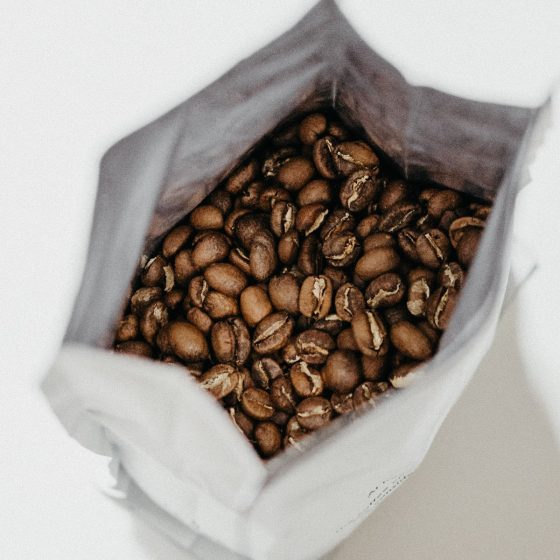
The quality of the coffee beans you choose plays a crucial role in your espresso’s flavor. Look for freshly roasted beans, ideally ground just before brewing to ensure maximum flavor. Espresso requires a fine grind, similar to powdered sugar, which allows the water to extract flavors properly under high pressure.
- Grinders to Use: Burr grinders are the best option for espresso. They provide consistent grind sizes, which is key to an even extraction. Avoid blade grinders, as they produce uneven grounds that can result in a poor brew.
3. Water Quality and Temperature
Espresso is made up of 98% water, so it’s essential to use high-quality, filtered water. Impurities in the water can negatively affect the flavor of your espresso.
The ideal brewing temperature is between 190°F to 200°F (88°C to 93°C). Water that’s too hot can over-extract the coffee, leading to bitterness, while water that’s too cold will under-extract, making the shot taste sour.
The Espresso Brewing Process
Espresso brewing is a precise process, and each step must be followed carefully to ensure a perfect shot:
1. Dosage
The standard amount of coffee for a single espresso shot is around 18-20 grams. The right amount of coffee is key to creating a balanced shot. Too much coffee can lead to over-extraction, while too little can result in a sour or underwhelming brew.
2. Tamping
After dosing the coffee into the portafilter, tamping is essential for even extraction. Use a tamper to press the grounds down with consistent, even pressure (about 30 pounds of force). A well-tamped puck ensures that water flows evenly through the coffee grounds, which is vital for flavor extraction.
3. Brewing
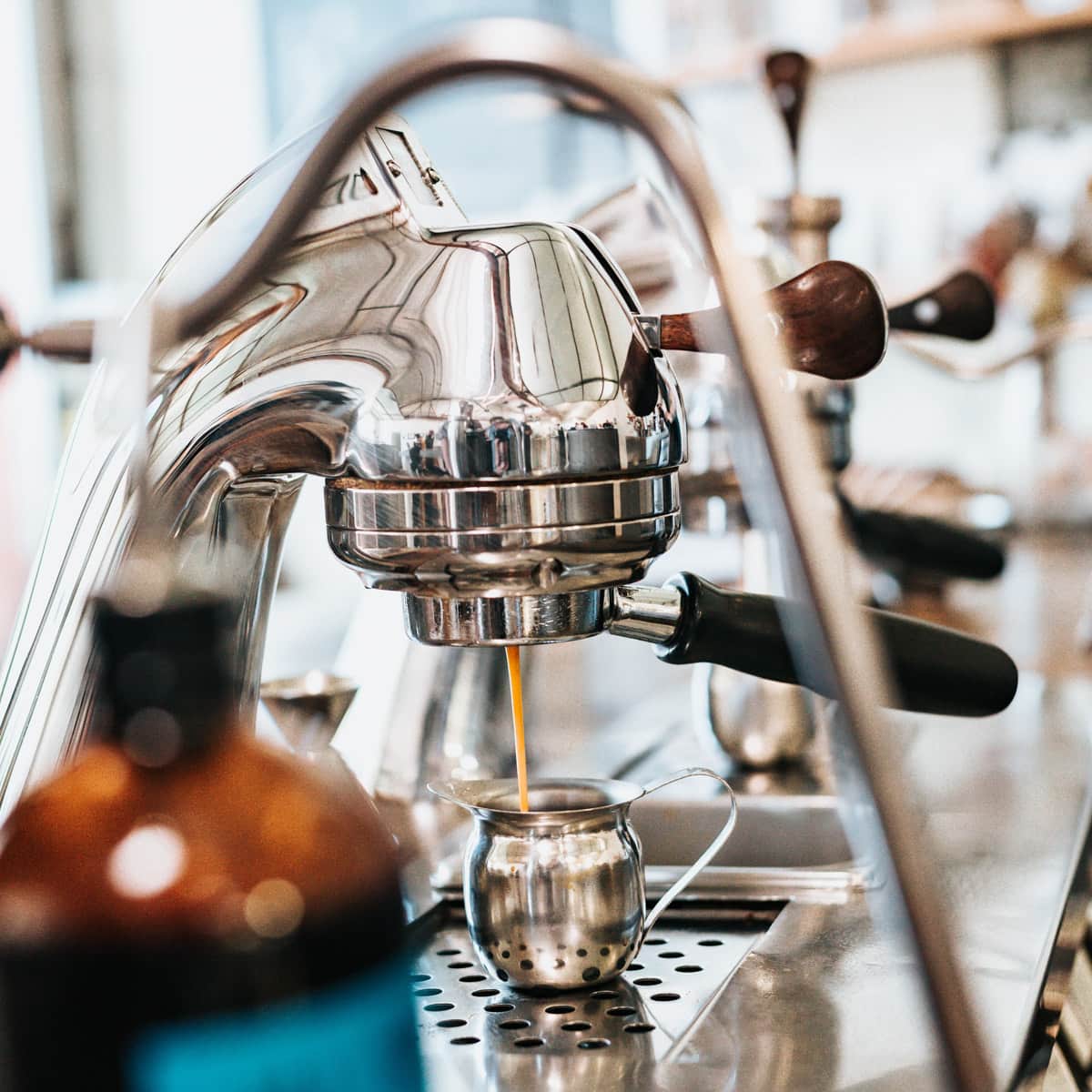
Once your coffee is tamped, lock the portafilter into place and start the shot. Espresso is brewed under 9 bars of pressure, which is crucial to extracting all the flavors from the coffee. A typical espresso shot should take around 25-30 seconds to brew.
The result should be a deep, rich shot of espresso with a crema on top. The crema is a golden-brown foam made up of emulsified oils and gases, which forms when the espresso is brewed under high pressure.
Common Espresso Problems and Solutions
Even experienced baristas encounter issues when brewing espresso. Here are some common problems and how to fix them:
1. Bitter Taste
- Cause: Over-extraction, water temperature too high, or too fine a grind.
- Solution: Adjust the grind to be slightly coarser, lower the temperature, or reduce the brewing time.
2. Sour Taste
- Cause: Under-extraction, water temperature too low, or too coarse a grind.
- Solution: Use a finer grind, increase the brewing time, or raise the water temperature.
3. Thin Crema
- Cause: Stale coffee, incorrect tamping, or too coarse a grind.
- Solution: Use fresh beans, tamp evenly, and adjust the grind size to finer.
4. No Crema
- Cause: Old coffee beans, low pressure, or improper tamping.
- Solution: Use fresh coffee, check the machine’s pressure, and ensure an even tamp.
Espresso-Based Drinks
Espresso is the foundation for many popular coffee drinks. Here’s how to turn your espresso shot into something even more delicious:
1. Latte
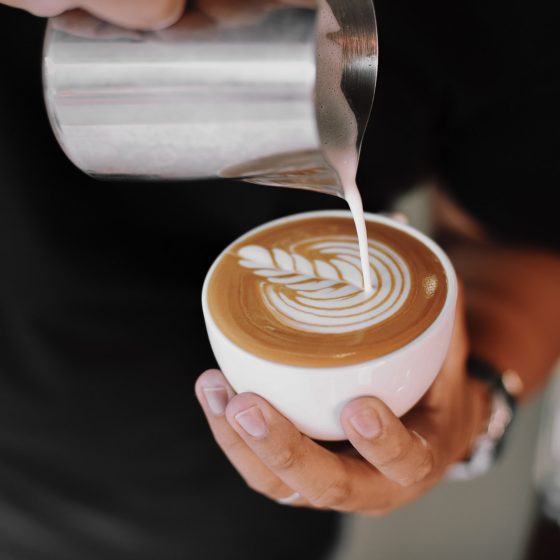
A latte is made by combining a shot of espresso with steamed milk, creating a creamy, smooth drink. Lattes typically have a small amount of milk foam on top.
2. Cappuccino
A cappuccino is similar to a latte but with more foam and less milk, resulting in a frothy, textured drink. It’s typically served in smaller cups than a latte.
3. Americano
An americano is simply a shot of espresso diluted with hot water. It’s a great choice for those who enjoy the richness of espresso but prefer a milder, less concentrated coffee.
4. Macchiato
A macchiato is an espresso “stained” with a small amount of steamed milk or foam. It’s a strong, bold drink for those who want to experience the true taste of espresso.
5. Mocha
A mocha is a blend of espresso, steamed milk, and chocolate syrup, topped with whipped cream. It’s perfect for those who love a sweet and creamy coffee drink.
Tips for Perfecting Your Espresso
- Use Fresh Beans: Always use fresh, high-quality coffee beans. Grind them just before brewing for the best flavor.
- Adjust Grind Size: Experiment with grind size to find the perfect balance. If your espresso is sour, try a finer grind. If it’s bitter, try a coarser grind.
- Clean Your Equipment: Regularly clean your espresso machine, grinder, and portafilter to maintain the quality of your shots.
- Invest in a Good Tamper: A high-quality tamper ensures an even pressure on your coffee grounds, resulting in better extraction.
Conclusion
Espresso brewing is both an art and a science, and mastering it requires attention to detail and practice. By understanding the essentials—like choosing the right machine, grind size, water temperature, and extraction time—you can create the perfect espresso shot every time. Whether you’re brewing espresso for a solo cup or making lattes for friends, this guide will help you brew with confidence and enjoy every delicious sip.
By following these tips and honing your technique, you’ll soon be able to brew espresso like a pro. Happy brewing!