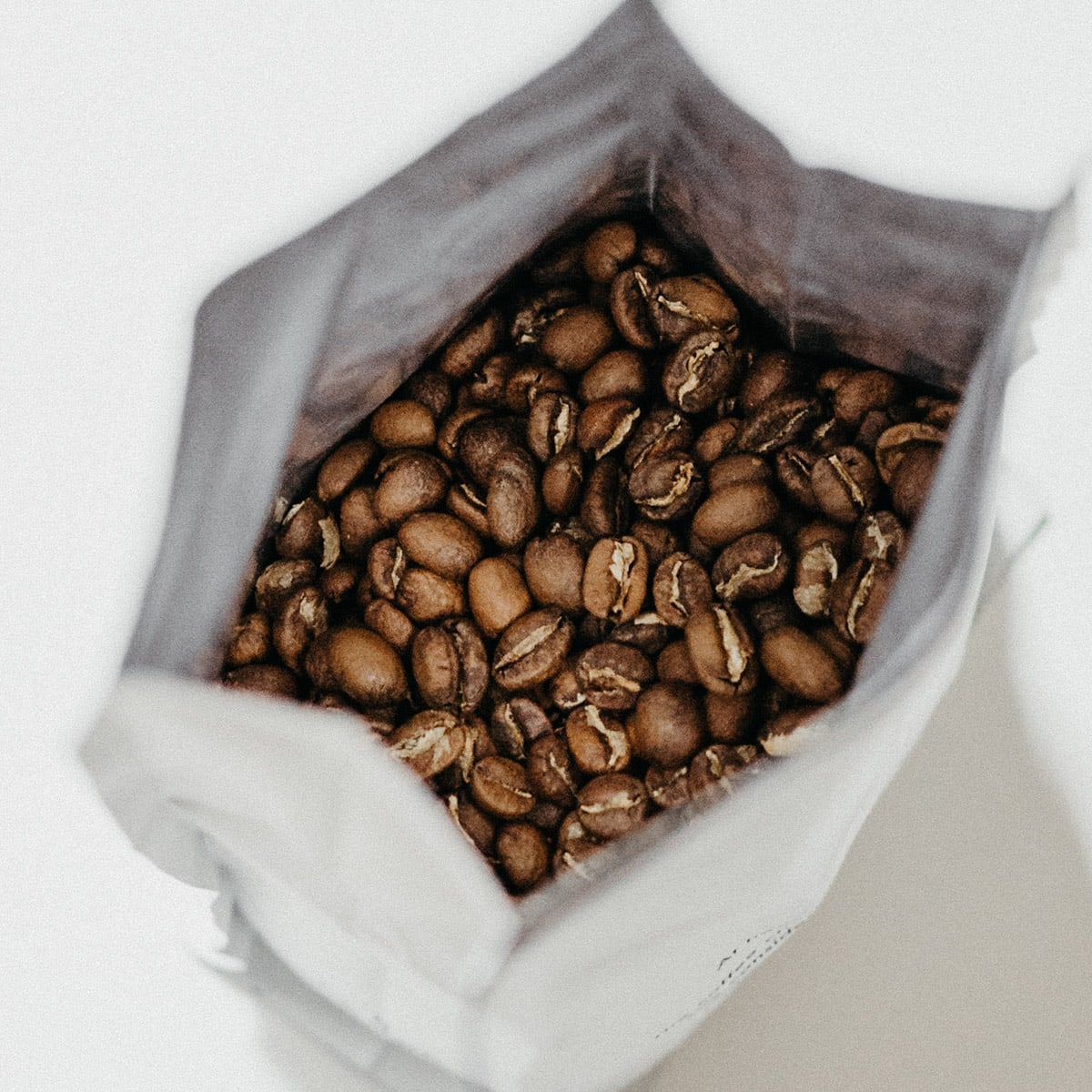
Grinding coffee beans is one of the most crucial steps in brewing a great cup of coffee. The grind size directly influences the extraction process, affecting the flavor, aroma, and overall quality of your coffee. Whether you’re using a drip coffee maker, espresso machine, or French press, understanding how to grind your beans properly will elevate your brewing experience. In this guide, we’ll walk you through everything you need to know about grinding coffee beans for the perfect cup, including the importance of grind size, equipment, and techniques.
Why the Right Grind Size Matters
Coffee beans begin to lose their flavor as soon as they are ground. Grinding your beans just before brewing ensures that your coffee is as fresh and flavorful as possible. The grind size, or the coarseness or fineness of the coffee grounds, plays a key role in the extraction process. Too fine a grind can lead to over-extraction (bitter, harsh flavors), while too coarse a grind can cause under-extraction (sour, weak coffee).
The ideal grind size is determined by your brewing method. Different brewing methods require different grind sizes to ensure that the water interacts with the coffee grounds in the right way. Let’s take a closer look at the various grind sizes and their uses.
Grind Sizes and Their Uses
- Coarse Grind
- Texture: Large, chunky grounds (similar to sea salt).
- Best for: French press, cold brew, percolators.
- Why: Coarse grounds have a slower extraction rate, which works well for methods that involve long brewing times, like the French press or cold brew. The larger size allows the water to flow through without over-extracting the coffee.
- Medium-Coarse Grind
- Texture: Slightly smaller than coarse, with a texture similar to rough sand.
- Best for: Chemex, some pour-over methods.
- Why: This grind size allows water to pass through the grounds at a controlled pace, extracting flavors efficiently without over-extraction, which is ideal for these methods.
- Medium Grind
- Texture: Sand-like consistency.
- Best for: Drip coffee makers, Aeropress (with a longer brew time).
- Why: A medium grind is versatile and commonly used for most automatic drip coffee makers. It offers a balanced extraction rate and works well for brewing methods with moderate brewing times.
- Medium-Fine Grind
- Texture: Slightly finer than sand, with a consistency resembling table salt.
- Best for: Pour-over methods like V60, Aeropress (with a short brew time).
- Why: The medium-fine grind is ideal for methods that require more control over the flow of water, helping to slow down the extraction and highlight the coffee’s flavor complexity.
- Fine Grind
- Texture: Powdery, similar to powdered sugar.
- Best for: Espresso machines, Moka pots.
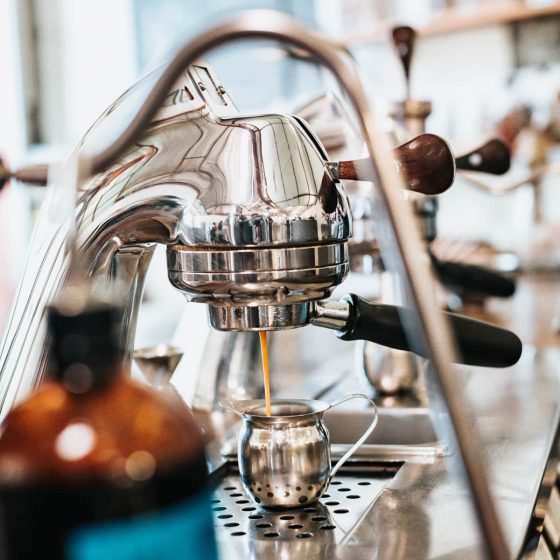
- Why: Fine grinds are essential for high-pressure brewing methods like espresso. The fine texture allows the water to extract the full range of flavors in a short time (about 25-30 seconds for espresso). It also helps with the formation of rich crema.
- Extra-Fine Grind
- Texture: Extremely powdery, almost like flour.
- Best for: Turkish coffee.
- Why: Turkish coffee requires an ultra-fine grind for its unique preparation method, where the coffee grounds are left in the cup after brewing, and the extraction time is very long.
How to Grind Coffee Beans: Step-by-Step
Now that you understand which grind size is best for different brewing methods, let’s go over how to grind your coffee beans properly for that perfect cup.
Step 1: Choose the Right Equipment
The first step in grinding coffee beans is choosing the right grinder. There are two main types of coffee grinders: blade grinders and burr grinders.
- Blade Grinders: These are the most affordable option and work by spinning blades to chop the beans into smaller pieces. However, they tend to produce uneven grounds, which can lead to inconsistent extraction and poor flavor.
- Burr Grinders: These are the preferred option for serious coffee enthusiasts. Burr grinders use two abrasive surfaces to crush the beans evenly, ensuring a consistent grind size. There are two types of burr grinders:
- Flat Burr Grinders: These grinders offer the most uniform grind size, ensuring consistent extraction.
- Conical Burr Grinders: These grinders are quieter and less messy, but they are slightly less consistent than flat burr grinders. However, they’re still an excellent choice for most brewing methods.
For the best results, always choose a burr grinder.
Step 2: Measure the Right Amount of Coffee
The amount of coffee you use can significantly impact the strength and flavor of your brew. The general guideline is to use 1 to 2 tablespoons of coffee per 6 ounces of water, depending on how strong you like your coffee.
If you want to be more precise, you can use a coffee scale to weigh your coffee. A standard ratio is 1:15 or 1:16, meaning for every 1 gram of coffee, you’ll use 15 to 16 grams of water.
Step 3: Adjust Your Grind Size
Once you’ve measured your beans, adjust the grinder to the appropriate grind size for your brewing method. For example:
- If you’re using a French press, select a coarse grind.
- If you’re making espresso, choose a fine grind.
- For drip coffee, a medium grind works best.
Experimenting with different grind sizes and adjusting based on taste can help you find the perfect grind for your preferred brewing method.
Step 4: Grind the Beans
Start grinding your beans, keeping in mind that freshly ground coffee is always best. It’s ideal to grind only what you need right before brewing, as coffee begins to lose its flavor and aroma once ground.
If you’re using a burr grinder, the grind should be even and consistent. If you’re using a blade grinder, shake the grinder gently while grinding to help achieve a more even consistency. Be mindful of over-grinding, as it can lead to an overly fine grind and cause over-extraction (bitter coffee).
Step 5: Brew Your Coffee
Once the beans are ground to the appropriate size, it’s time to brew! Follow the instructions for your chosen brewing method, ensuring that the water temperature is between 195°F and 205°F (90°C to 96°C) for optimal extraction.
Tips for Perfectly Ground Coffee
- Grind Just Before Brewing: For the freshest and most flavorful coffee, always grind your beans just before you brew.
- Store Beans Properly: To preserve the freshness of your coffee beans, store them in an airtight container in a cool, dark place.
- Consistency is Key: The more consistent the grind, the more evenly the coffee will extract, resulting in a better flavor.
- Experiment with Ratios: Play around with the coffee-to-water ratio to find the strength that suits your taste buds best.
Conclusion
The right grind size is essential to brewing the perfect cup of coffee. Understanding the grind requirements for your chosen brewing method and using the right equipment will help you unlock the full potential of your coffee beans. Whether you’re brewing a rich espresso shot or a smooth cup of French press coffee, taking the time to grind your beans correctly ensures a consistently flavorful and satisfying cup.
Invest in a quality grinder, experiment with different grind sizes, and enjoy the process of perfecting your cup. After all, great coffee starts with freshly ground beans.